


Start with the Bag — Let It Do the Talking
I’ll show you how to center your outfit around a statement bag without overdoing it; I guide practical, playful steps so your bag leads and you stay chic and confident.
What You’ll Need
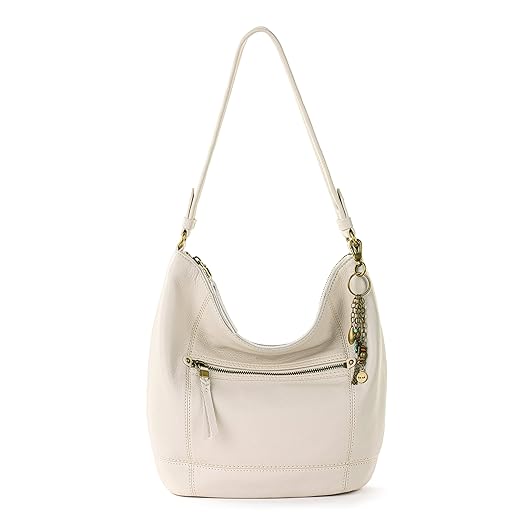
Analyze the Bag Like a Stylist
Who knew hardware could dictate shoe choices? I did — and you will, too.Start by treating the bag like the lead actor of a play: I inspect its color, texture, hardware, and scale to understand the tone I’m setting. I act like a picky director—nothing gets on stage without a reason.
Note whether it’s glossy and avant‑garde, matte and vintage, jewel‑toned or pastel; check if it’s compact or oversized, structured or slouchy, because proportion will dictate silhouette choices.
Pick one dominant color or finish to echo in the outfit and one secondary accent (strap, piping, or a motif) to reference subtly. For example: pair a jewel‑green bag with a cream blouse and a single green hair clip.
Plan calm, textural contrasts if the bag has busy patterns or bold logos; favor solids, knits, or leather rather than another competing print.
Log the hardware tone — gold, silver, or mixed — so shoes, belts, and jewelry either harmonize or intentionally clash.
Write down those two outfit “rules” to keep decisions fast and cohesive.

Build a Neutral Base That Lets the Bag Shine
Neutrals ≠ boring — they’re the red carpet for your bag. Want proof?Build a wearable neutral base that lets the bag remain the star — I call it a controlled canvas: ivory, camel, navy, black, or denim depending on season.
Choose one anchor piece and keep shapes streamlined to avoid visual competition.
Keep layering as my secret weapon: add a cardigan, a lightweight scarf, or a crisp button‑down to soften or sharpen the mood while staying low‑key.
Favor texture over color: choose a nubby knit, suede, or smooth leather to add depth so the bag doesn’t look like it’s floating on nothing.
Echo a single accent from the bag in one shoe or accessory — I might repeat a buckle or a trim once so the outfit reads cohesive, not too literal.
If the bag is neutral and bold in shape, keep footwear minimal; if the bag is colorful, pick restrained shoe tones to avoid a clashing circus.
Test the base with your chosen bag under different light to ensure harmony always.

Add Complementary Pieces Without Competing
Tiny echoes beat loud copies — ready to see how?Introduce complementary pieces that pick up the bag’s personality without stealing its thunder. I echo a color in an unexpected place — a sock peeking, a bag lining, or a stitch — little nods read curated, not try‑hard.
Echo one color in a small dose — I’ll repeat it on a heel tip, the edge of a scarf, or the inside of a cuff so the eye ties it together.
Limit patterns: choose one printed item (a blouse or a skirt) and keep everything else in solids or subtle textures. No pattern‑for‑pattern wrestling.
Play with proportion: pair an oversized tote with slim trousers or a fitted top; wear a tiny bag with wide legs or a statement sleeve so both elements breathe.
Layer intentionally: leave jackets or cardigans open so the bag sits against fabric; use longline knits to frame rather than fight it.
Anchor with tiny accessories: match earrings or deliberately mismatch them, pick a belt that nods to the hardware, or wear sunglasses that echo the bag’s era.
Ask yourself: does this support the bag’s story? If not, it sits out.

Choose Shoes and Outerwear to Frame the Bag
Shoes finish the sentence; outerwear edits the paragraph. Want your bag to be heard?Choose shoes and outerwear last — they finish the narrative and either elevate or undo the bag’s effect. I pick them after the outfit so the bag stays center stage.
Pick daytime footwear that’s practical but polished: low block heel, smart sneakers, or loafers depending on vibe and how far I’ll walk. For example, I’ll take a leather sneaker with a bright crossbody for errands, or a loafer with a structured tote for meetings.
Escalate for night: sleeker heel, pointed boot, or a bold sandal that repeats an accent color feels celebratory without competing — I once matched a red sandal strap to a tiny red clasp and it read intentional, not try‑hard.
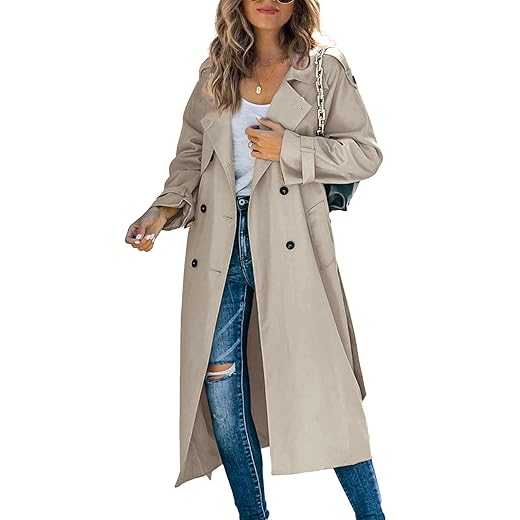
Obey proportion rules with outerwear: voluminous coats → slim bottoms; cropped jackets → emphasize a waist‑level bag. Favor textures seasonally: suede/felt in autumn, cotton/canvas in summer, patent for drama.
Match hardware and metals: warm hardware → warm‑toned shoes/jewelry; cool hardware → cool leathers/silver. Mixed metals invite playful pairing.
If the bag’s hardware is warm, I lean toward warm-toned shoes and jewelry; cool hardware gets cooler leathers or silver notes. Mixed metals invite playful pairing. Seasonal textures help: suede and felt in autumn, crisp cotton and canvas in summer, patent or gloss for drama. I imagine how fabrics will age together over a day. Practicality matters: pockets, strap length, and weight affect movement and comfort; I balance style with my real life so the outfit stays chic through errands and coffee. Comfortable chic is the whole point always.
Final Checks, Photos, and Backup Plans
One last photo catches what the mirror misses — plus emergency kit hacks I never leave home without.Do a final nine-point check before leaving: balance, color echo, proportion, texture, hardware, footwear, functionality, hairstyle, mood — I tick each off quickly so nothing surprises me.
Stand in full light, shoulder to toe, and move: sit, walk, lift the bag to watch how the silhouette shifts. I look for weird hems, twists, or a bag that drags the outfit off‑center.
Tweak small things: swap a belt, change a necklace, alter shoe height (flats → low block heel), or knot a scarf to nudge the color balance. Tiny swaps make big differences.
Photograph the outfit on my phone from a few angles; photos catch proportion and color clashes the mirror misses.
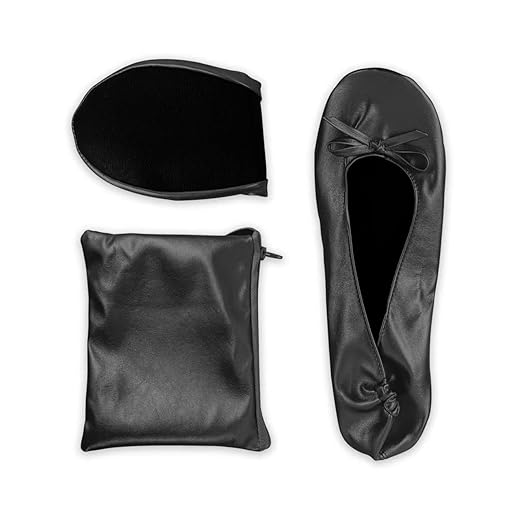
Create two backups for events: an elevated variant (heels + statement earring) and a practical variant (flatter shoes + crossbody strap) so I can pivot if my feet or the mood change.
Pack an emergency kit in the bag:
Own the look. I walk like I planned it, smile at compliments, and remember the bag should make me feel better — confidence is the final accessory, always.
Go Out and Be Chic
In short: I start with the bag, build a calm canvas, echo details sparingly, mind proportions, and own the look — try it, share your results, and flaunt that chic confidence.



I appreciated the photography tips in ‘Final Checks, Photos, and Backup Plans.’ As someone who posts outfits, lighting hacks are clutch.
Small gripe: could use a few more examples for smartphone vs mirror shots.
Noted — we’ll expand the photography section with phone vs mirror shot tips, angles to avoid, and suggested backgrounds for bag focus.
Also, a tiny reflector (or white poster board) can brighten shadows if you’re outside.
Pro tip: use portrait mode to blur the background slightly and make the bag pop.
Step 1: Analyze the Bag Like a Stylist — absolute life-saver. I always ignore hardware until now and then wonder why the outfit looked off.
Short practical tip: match metal tones to belt buckle or shoes. It works like magic.
Totally. Also worth noting: matte vs shiny hardware can change the vibe — matte feels modern/casual, shiny reads dressier.
Exactly! Hardware is underrated. Matching metal tones subtly (belt, watch, shoe accents) ties the whole look together without being obvious.
Okay, multi-line confession incoming:
I used to buy neutral outfits specifically so my colorful bag would pop. Then I realized I was actually avoiding COLOR.
Now I try one colored element (like a belt) and it feels so much more intentional.
This guide basically gave me permission to play. Thank you 😭
Amazing — that’s exactly the idea: use the bag as a permission slip to introduce a pop of color. So glad it resonated!
This is such a sweet comment. Also crying happy tears for you 😅
Yesss. Color is not scary. Start small and build confidence slowly — that belt trick is perfect.
Short and practical: I keep a small neutral clutch inside my statement tote for nights out. Saves me from switching bags and keeps the entire outfit cohesive.
I do the same but use a wristlet. Works wonders at concerts.
Smart move. Great backup plan for when a big tote isn’t appropriate for an evening event — saves time and outfit continuity.
Loved the ‘Add Complementary Pieces Without Competing’ part. Sometimes a color from the bag pulled into a small accessory (like a hair clip) is all you need.
Also: there should be a section on how to dress down a really luxe-looking bag — not everyone wants to look super dressy.
Dressing down works well with slouchy bags or big totes. Pair with raw-hem jeans and a plain tee.
Great suggestion — we’ll add tips on dressing down luxe bags (think denim, sneakers, minimal jewelry) to balance the look.
Ooh hair clip color trick = genius. Never thought of that.
This guide is such a mood. I appreciated the “Build a Neutral Base” step.
But small suggestion: could you include more examples for darker skin tones? Some neutrals read differently depending on undertones. Otherwise, great content!
Also try jewelry contrast (gold vs silver) to complement the neutral base — small tweak, big difference.
Agree with Priya — olive-toned neutrals like camel or warm taupe can look amazing on darker skin. Ivory sometimes reads too stark, so try cream instead.
Thanks for the note — that’s a great point. We’ll add examples showing warm vs cool neutrals and how they pair with different skin tones in an update.
Fun, practical guide. A couple of real-world things I do:
1) Keep a neutral scarf in my bag
2) Take a ‘mirror selfie’ before leaving to check the bag placement
The backup plans section is gold 🙌
Yes to the scarf! Quick way to introduce a neutral without changing the outfit — also saves you from getting cold 😂
Love the mirror selfie trick — it’s an instant reality check for proportions and how the bag sits when you move.
Mirror selfies should be mandatory for outfit decisions lol.
Okay, the “Choose Shoes and Outerwear to Frame the Bag” section is underrated. I once wore a statement bag with a bulky puffer and it got swallowed.
I love that the guide suggests proportion play. Tall boots + small bag = yes.
Big mood. I now keep a slim crossbody for bulky coats and a statement tote for tailored blazers.
Glad that resonated! Yes, silhouette balance is key — chunky outerwear can overpower dainty bags, while structured coats can elevate slouchy totes.
This guide made me think twice about carrying my oversized tote for weekend brunch. The ‘Let It Do the Talking’ approach sounds so minimal but effective.
Also, lol at myself for having a 47-item ‘neutral base’ checklist in my head now.
Brunch-size bag = yes. Anything bigger looks like you’re moving houses lol.
Relatable. My neutral checklist is also out of control.
Haha love the checklist energy. For brunch, a medium-sized structured bag often hits the sweet spot — practical but polished.
Constructive: when the guide talks about matching hardware, it could mention mixed-metal outfits (like silver watch + gold bag hardware). There are ways to make it look intentional rather than mismatched.
I mix metals all the time and as long as there’s a dominant tone it reads chic. Otherwise it’s messy.
Tip: coordinate with shoe hardware or belt buckle to establish dominance.
Fair point. We’ll add a small section on mixing metals intentionally — e.g., pick a dominant metal and use the other as subtle accents.
A bit of constructive feedback: some of the examples felt very tun to day-to-night transitions but I wanted more on weather-proofing the bag choices.
Rain + leather = disaster. Any quick tips?
Good call — we should include weather notes. Quick tips: use a rain cover (many bags have dustbag-sized covers), treat leather with a water protector, and reserve fabric bags for rainy days. Also keep a small microfiber cloth in your backup plan.
Zip-top totes or crossbodies with flap closures are lifesavers in drizzle. I’ve ruined a leather satchel before — never again.
Real talk: I have three statement bags and still somehow rarely get compliments. Is confidence the secret? The guide hints at it but I want a full lecture 😂
Also posture! Shoulders back, chin up. Bags love it.
Can confirm: posture + a smile = 90% of compliments.
Confidence is definitely the secret sauce. The guide’s tips are meant to reduce outfit anxiety so your body language can do the rest. Small practice: wear the bag at home for an hour and notice how you carry yourself.
Wear it with a friend who compliments outfits harshly — if they approve, you’re golden. Haha.
Loved the bit about “Start with the Bag — Let It Do the Talking.” Made me rethink grabbing the bag last minute like it’s an afterthought. 🤦♀️
Question: for a really bold patterned bag, do you always recommend monochrome neutrals or can you pair it with a subtle pattern?
Great question! For bold patterned bags, a neutral monochrome base is the safest move so the bag remains the focal point. If you want to pair patterns, pick one small-scale pattern in the outfit that shares a color with the bag — keep it subtle so it doesn’t compete.
I tried mixing a checked skirt with a floral bag once. It was… chaotic. 😅 Lesson learned: match at least one color or keep one element tiny-scale.
I actually love pattern clashes when done intentionally. Try a striped tee in the same color family as the bag — it can look editorial if your proportions are clean.
Slightly controversial: sometimes I let my shoes compete with the bag. If both are statement-y but in totally different color families, it can feel intentionally off-kilter and cool. Not for everyone though.
I need courage to pull that off. My brain screams ‘match or die’ 😂
That’s a fun approach — high-fashion often plays with intentional tension. If you try it, keep the rest of the outfit neutral and confident so it reads purposeful rather than accidental.
Yes, do that! I call it ‘fashion rebellion’. Works at events where you want to be memorable.
Funny nitpick: ‘Go Out and Be Chic’ should be a life motto. I printed it and taped it to my wardrobe 😂
The guide overall is super practical and not preachy, which I appreciate.
Hahaha I might steal that and put it on a tote.
Love that — ‘Go Out and Be Chic’ as a motto! If you share a photo of the wardrobe pic feel free to tag us on socials.
Same, adding it to my mirror notes.
Minor typo in the ‘Final Checks’ section? It says ‘phtoos’ instead of photos. Not a big deal but I did a double take. Love the rest though.
Nice catch — I would’ve skimmed past it. Proofreading matters even in fashion guides!
Thanks for catching that — updated! Appreciate the sharp eye. 🙂